The valley below the sea
The Jordan Valley runs down to the lowest place on earth. What happens to a spring — and to a honey — when it begins below sea level.
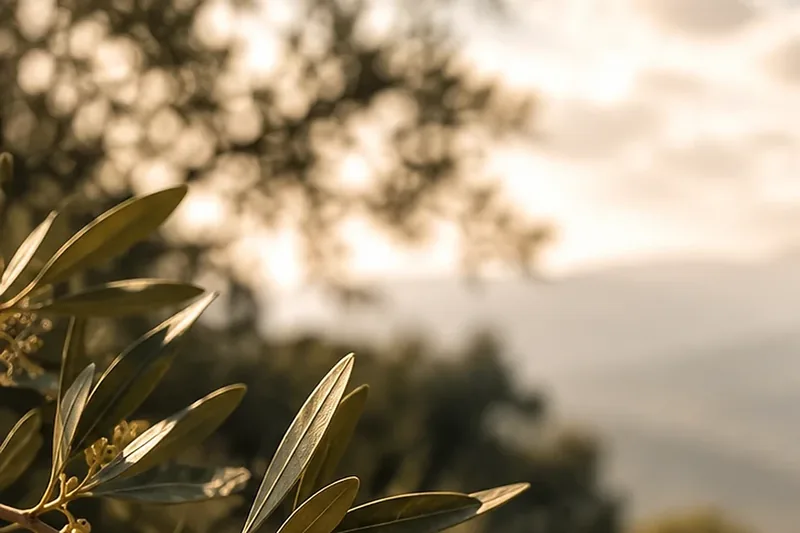
Drive west out of Amman and the road begins to fall. The pines give way to bare, folded hills; your ears pop; the air thickens and warms. Somewhere along the way you pass a small sign marking sea level — and keep going down. By the time the Jordan Valley opens out beneath you, green and flat and shimmering, you are well below the surface of any sea.
The lowest place on earth
The valley is part of the great rift that runs from Syria to East Africa. Here, between the hills of Jordan and Palestine, the land has sunk so far that the Dead Sea at its southern end is the lowest point on the surface of the earth. Our sidr trees grow further north, near Deir Alla, at around two hundred and twenty metres below sea level.
Altitude — or the lack of it — changes everything. The thick air holds the warmth of the day long into the evening. Winters are mild, and frost is almost unknown. Spring arrives weeks before it reaches the highlands, and the valley, fed by the Jordan River and the old canals that run beside it, becomes a long green ribbon between brown hills.
A spring that comes early
For bees, this means an early and generous season. While colonies in the north are still clustered against the cold, valley hives are already flying. The sidr blooms in March; by April the air is full of it. Citrus groves, wild mustard and the small flowers of the field edges add their notes, but in a good year the sidr is the voice you hear above all others.
The heat that makes the valley so rich also asks for care. Our beekeepers set the hives in the shade of trees and windbreaks, keep water close by and visit in the cool of the morning. By late May, as the temperature climbs past thirty-five degrees, the bloom fades and the frames are full. It is time to harvest, and to take the colonies up to gentler air.
Two hundred metres below the sea, spring arrives early, stays warm and leaves a darker, deeper honey behind.
What the valley gives the honey
Honey is a record of a place. The warmth of the valley, the long flowering of the sidr and the mineral earth beneath it all leave their trace: a deep amber colour, a dense and unhurried texture, and a flavour that leans towards caramel and dates rather than flowers.
That is why every MAWSIM label carries the name of the place and the season, not just the honey. Sidr from a cooler, higher valley would taste different. Sidr from this valley, next spring, will taste different again. We would not want it any other way.
Going down, coming back
There is an old rhythm in the valley: down in winter and spring, when the land is kind; back up to the hills when the summer heat arrives. Farmers once moved this way, and beekeepers still do. Our hives follow the same path — the valley for Sidr, the northern highlands of Ajloun for wildflowers, the southern hills for wild thyme.
Each of those journeys begins with a descent. Every season has a story, and ours begins at the bottom of the world.